Category: Theory and Concepts
-
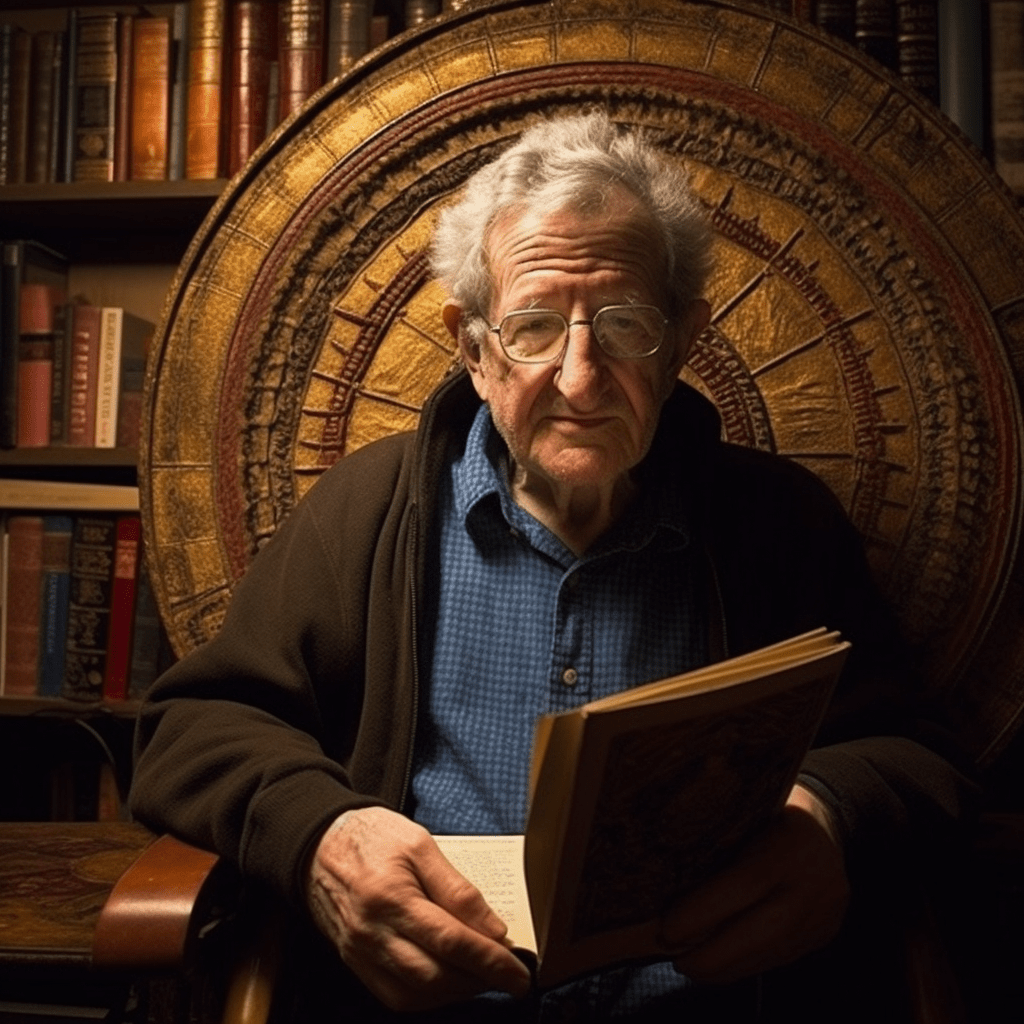
Noam Chomsky on Money in Politics
Noam Chomsky is a highly influential public intellectual known for his incisive social criticism and political activism. In this post, we present Chomsky’s critique of wealth and power concentration, the influence of neoliberalism, and the resultant detrimental impact on democracy. See also About Noam Chomsky Noam Chomsky, born in 1928, is a renowned American public…
-
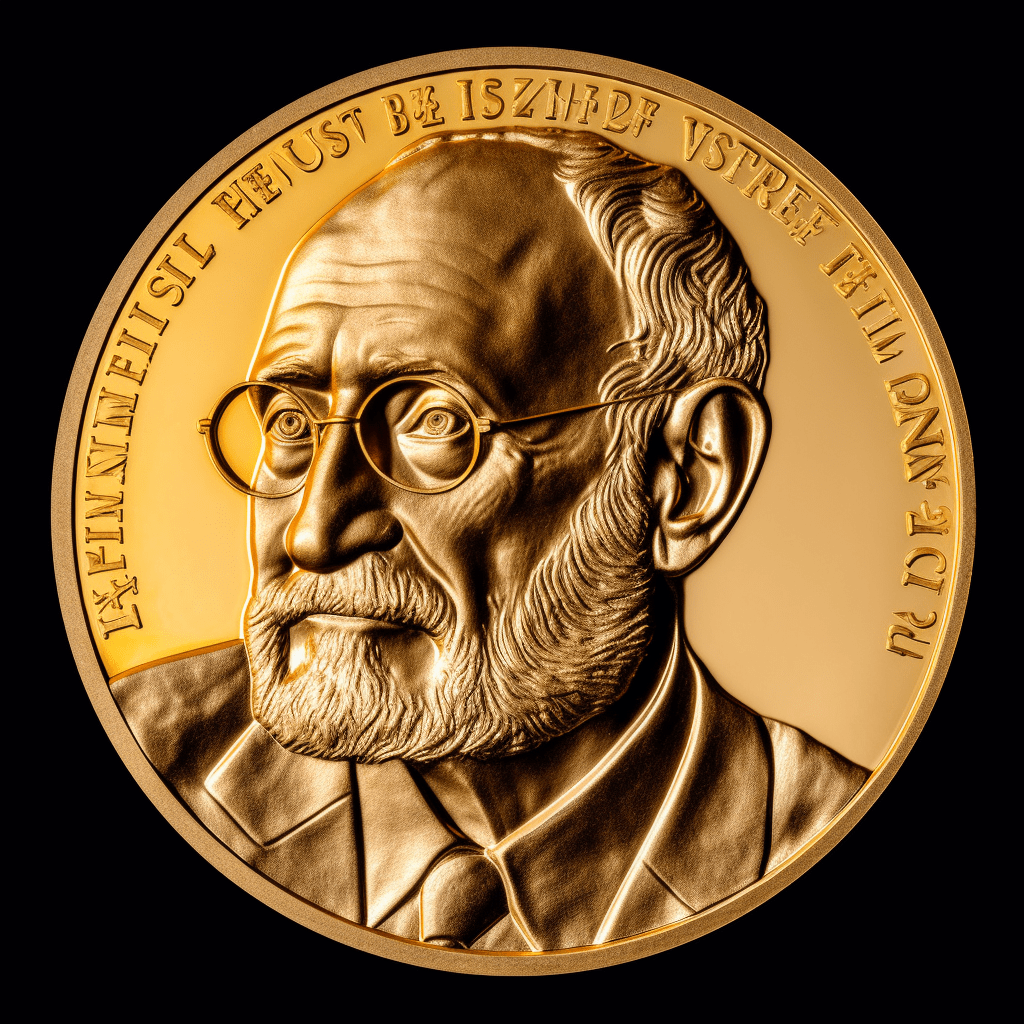
Joseph Stiglitz: Democracy, Justice, and Inequality
Why is inequality bad for democracy and justice? What can be done about it? In this post, we present the works of Joseph Stiglitz, a Nobel laureate, economist, and professor at Columbia University. Focusing on three of his key books, “The Price of Inequality,” “The Great Divide,” and “People, Power, and Profits,” we present Stiglitz’s…
-

Naomi Klein on Disaster Capitalism and Political Change
Why does the news seem overwhelming? How can we get past the “shock” and change the world for the better? In this post, we present the ideas of Naomi Klein, a renowned author and activist whose work has made a significant impact on discussions surrounding social change. Klein’s thoughts and theories help us understand the…
-

Piketty: Policy, Institutions, and a Brief History of Equality
Does equality rise? What is the role of policy, institutions, and collective mobilization for increasing equality? This post delves into the work of French economist Thomas Piketty, whose influential books examine wealth and income inequality. Piketty highlights the long-term trend towards greater political, economic, and social equality, driven by political mobilizations, social struggles, and institutional…
-

Ray Dalio on Power, Money, and Societal Collapse
What is the relationship between money, power, and the collapse of society? This blog post presents the ideas of Ray Dalio, billionaire investor and author of “Principles for Dealing with the Changing World Order: Why Nations Succeed and Fail.” Dalio explores his ideas about a Big Cycle and international relations, highlighting the interplay of how…
-

Political Parties: Images and Policy Reputations
What are party images? What is a policy reputation? In the course of their lives, political parties acquire policy reputations. That is, individuals and groups evaluate a party’s position on the issues of the day. The totality of these perceptions is referred to as their “party image”. Distinct issues fragment party images, such that a…
-
Power Inequality: Trends in Europe
Inequality is generally understood as long-standing structured differences in social, economic, legal, and political resources. Inequalities intersect, such that power inequality is associated with economic, legal, social, and political inequality. What is power inequality? Power inequality is defined as structured differences in the capacity of principals to realize their will against the interests and efforts…
-
Zolberg’s Moments of Madness
I summarize and critique a classic article in the fields of protest and social movements by Aristide R. Zolberg, “Moments of madness.” Politics & Society 2, no. 2 (1972): 183-207. See also… Zolberg’s Thesis Zolberg’s thesis, designed to help us understand social and political change, is simple. During an intense social and political situation, such…
-

Social Movement Theory: Fields, Arenas, and Players
Social movement theory typically uses the concepts of fields, arenas, and players or actors. But these concepts seem to be conceptually similar. In this post, I critique two articles by prominent social movement theorists to understand fields, arenas, and players. At the end, I attempt a synthesis. See also: Social Movement Outcomes Social Movement Fields…
 Political Inequality: A blog since 2010