Tag: political inequality
-

Reconstructing Protests with Text and A/V: Conference Abstract
We presented a paper called, “Reconstructions of the Covid-19 Protests in Poland: Using Text, Pictures, and Video Data to Derive Visions of Social Change.” See also: NCN Grant on Pandemic Protests in Poland: Presentation Abstracts in 2023 This presentation and the paper we submitted for the conference was funded by the National Science Centre (NCN),…
-
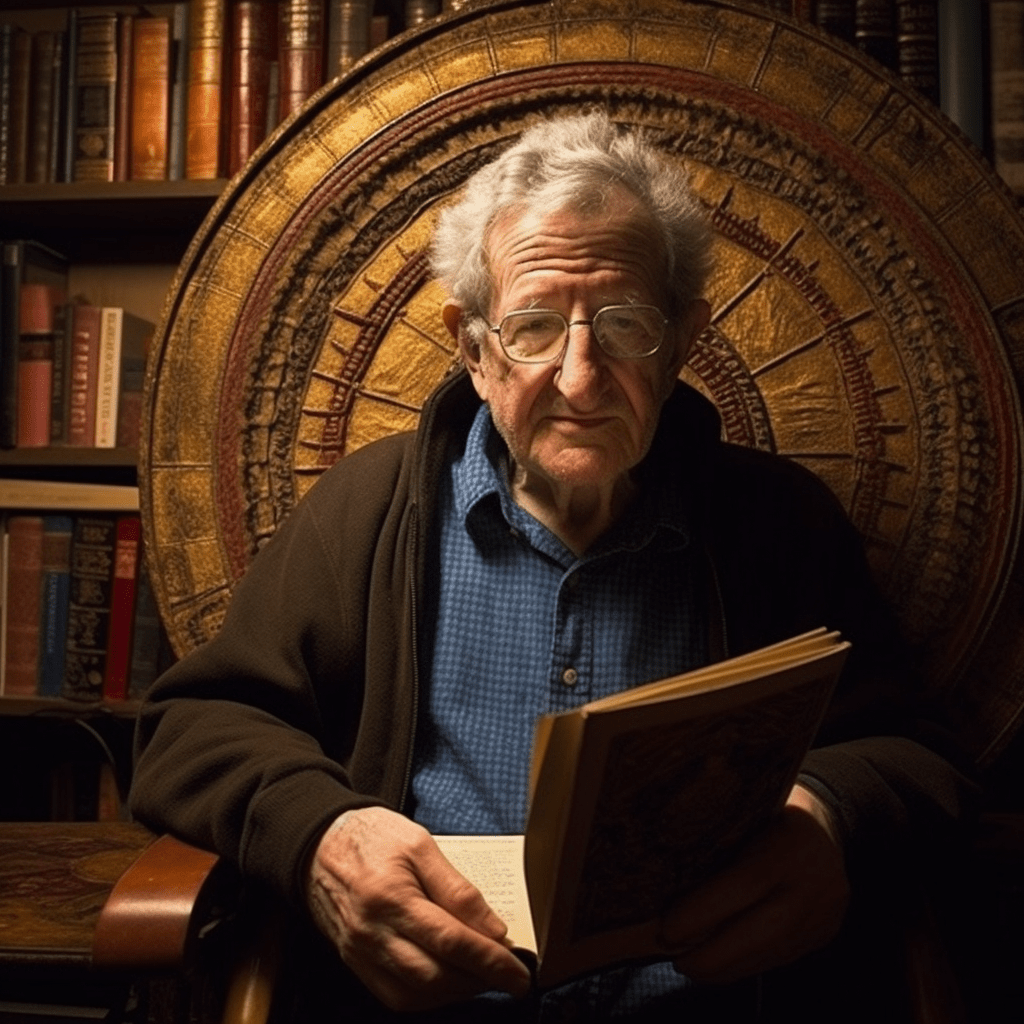
Noam Chomsky on Money in Politics
Noam Chomsky is a highly influential public intellectual known for his incisive social criticism and political activism. In this post, we present Chomsky’s critique of wealth and power concentration, the influence of neoliberalism, and the resultant detrimental impact on democracy. See also About Noam Chomsky Noam Chomsky, born in 1928, is a renowned American public…
-
Joseph Stiglitz: Democracy, Justice, and Inequality
Why is inequality bad for democracy and justice? What can be done about it? In this post, we present the works of Joseph Stiglitz, a Nobel laureate, economist, and professor at Columbia University. Focusing on three of his key books, “The Price of Inequality,” “The Great Divide,” and “People, Power, and Profits,” we present Stiglitz’s…
-
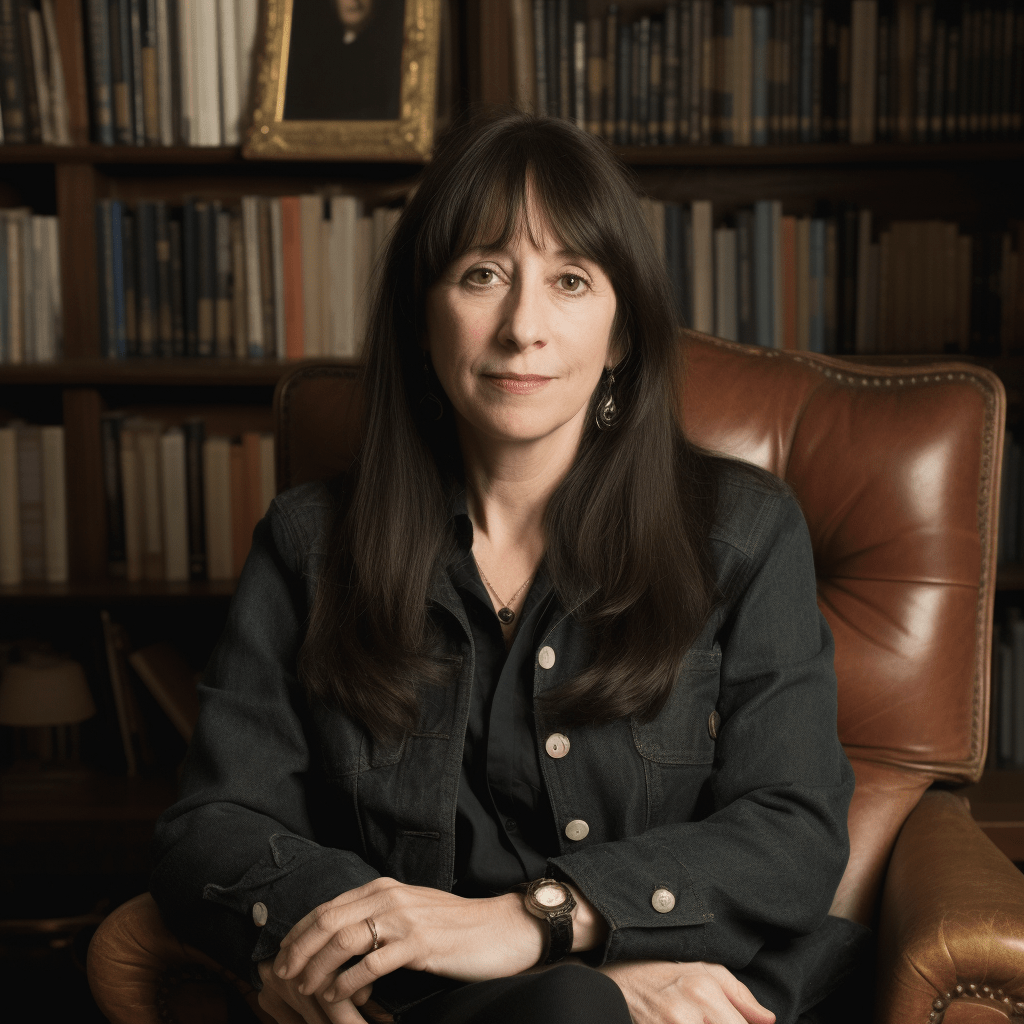
Jane Mayer: Dark Money in Politics
How does “money in politics” work? Is there a plan by some billionaires to seed the political landscape with “dark money”? In this post, we present the research of investigative journalist Jane Mayer who exposed the immense influence of the Koch brothers on American politics. The Koch brothers are wealthy libertarians who have used their…
-

President Obama on Money in Politics
The influence of money in politics continues to undermine American democracy. Despite former President Obama’s well-intentioned efforts to tackle this pervasive problem, his administration’s attempts fell short. We explore Obama’s fight against the corrupting power of money in politics, including the various initiatives he championed and the obstacles he faced, such as the Citizens United…
-

Piketty: Policy, Institutions, and a Brief History of Equality
Does equality rise? What is the role of policy, institutions, and collective mobilization for increasing equality? This post delves into the work of French economist Thomas Piketty, whose influential books examine wealth and income inequality. Piketty highlights the long-term trend towards greater political, economic, and social equality, driven by political mobilizations, social struggles, and institutional…
-

Ray Dalio on Power, Money, and Societal Collapse
What is the relationship between money, power, and the collapse of society? This blog post presents the ideas of Ray Dalio, billionaire investor and author of “Principles for Dealing with the Changing World Order: Why Nations Succeed and Fail.” Dalio explores his ideas about a Big Cycle and international relations, highlighting the interplay of how…
-

Power Inequality: Trends in Europe
Inequality is generally understood as long-standing structured differences in social, economic, legal, and political resources. Inequalities intersect, such that power inequality is associated with economic, legal, social, and political inequality. What is power inequality? Power inequality is defined as structured differences in the capacity of principals to realize their will against the interests and efforts…
-

Gender Quotas in Politics
Gender quotas in politics are rules that aim at providing opportunities for women to be in parliament or to appear on candidate lists in elections for political office. In this post, we discuss the types of gender quotas in politics, how parliaments in democracy adopt quotas, whether they are effective in placing more women in…
-

Political Equality in V-Dem: “Power distributed by gender”
In a previous post, we discussed how the Varieties of Democracy “V-Dem” project measures “political equality.” V-Dem is an expert survey. They guide the expert-respondents’ attention to particular groups’ political equality. These groups are: (a) socioeconomic position, (b) social groups, (c) gender, and (d) sexual orientation. In this post, we discuss how they measure “Power…
-
Political Equality in V-Dem: “Power distributed by sexual orientation”
In a previous post, we discussed how the Varieties of Democracy “V-Dem” project measures “political equality.” V-Dem is an expert survey. They guide the expert-respondents’ attention to particular groups’ political equality. These groups are: (a) socioeconomic position, (b) social groups, (c) gender, and (d) sexual orientation. In this post, we discuss how they measure “Power…
-

Political Equality in V-Dem: “Power distributed by social group”
In a previous post, we discussed how the Varieties of Democracy “V-Dem” project measures “political equality.” V-Dem is an expert survey. They guide the expert-respondents’ attention to particular groups’ political equality. These groups are: (a) socioeconomic position, (b) social groups, (c) gender, and (d) sexual orientation. In this post, we discuss how they measure “Power…
-

Political Equality as Measured by Varieties of Democracy (V-Dem)
If we want to measure the power structure of society, we can examine the extent of political equality. For a quantitative measure, one can use the Varieties of Democracy (V-Dem, as it is commonly referred to) dataset’s “political equality” measure (see also Cole 2018). In this post, I examine and critique the “political equality” measure…
-
Political Voice and Economic Inequality: Institutional Factors
We at the POLINQ project examined 18 quantitative cross-national articles by major scholars in the leading journals to develop a typology of institutional factors that influence the relationship between political voice and economic inequality. We comment on how scholars have measured these factors, or “concepts.” At a glance… Institutional Factors that Link Voice to Inequality…
-
Why Men Rebel: Ted Robert Gurr, Civil Strife, and Relative Deprivation
In the economic inequality, democracy, and political participation literature, scholars claim to test grievance or relative deprivation theory. When they do, they cite Ted Robert Gurr, whether it is his 1968 article in the American Political Science Review, or the 1970 book, Why Men Rebel. Yet, modern scholars who apply it to political participation, like…
 Political Inequality: A blog since 2010